

Want to give your car a unique look that truly reflects your personality? Making custom vinyl decals for your car windows is easier than you might think—and it’s a great way to stand out on the road.
Whether you want to add a cool logo, a fun design, or a meaningful message, creating your own decals puts full control in your hands. In this guide, you’ll discover simple steps and insider tips that will help you design, cut, and apply vinyl decals like a pro.
Keep reading, and you’ll be surprised how quickly you can transform your car’s appearance with your own custom touch!

Credit: www.amazon.com
Materials And Tools Needed
Creating custom vinyl decals for car windows starts with gathering the right materials and tools. These items ensure your project goes smoothly and the decal lasts long on the car surface. Quality materials prevent peeling and fading, keeping your design sharp and clear.
Having the correct tools helps you cut and apply the vinyl precisely. Careful preparation improves the final look and durability of your decal. Below are key materials and tools needed for your vinyl decal project.
Choosing The Right Vinyl
Select vinyl designed for outdoor use and car applications. Permanent adhesive vinyl works best for car windows. It resists water, sun, and temperature changes.
Opt for cast vinyl over calendared vinyl. Cast vinyl is thinner and more flexible, ideal for curved surfaces like car windows. Look for vinyl with UV protection to avoid color fading.
Essential Cutting Tools
A vinyl cutter or craft cutting machine is necessary to cut your decal design accurately. Popular brands include Cricut and Silhouette.
If you do not have a cutting machine, a sharp craft knife or precision blade can work for simple designs. Use a cutting mat to protect your work surface and ensure clean cuts.
Additional Supplies
Transfer tape helps move the vinyl decal from its backing to the car window without stretching or damaging it. Use clear or paper-based transfer tape depending on your design.
Weeding tools remove excess vinyl from around your design. A weeding hook or tweezers make this process easier.
Rubbing alcohol and lint-free cloths clean the car window before applying the decal. This removes dirt and oils for better adhesion.
A squeegee or plastic card smooths out air bubbles and ensures the vinyl sticks well to the glass.
Designing Your Decal
Designing your decal is a key step in making custom vinyl decals for car windows. A clear design makes your decal stand out. It also helps you cut the vinyl accurately. The design process involves picking the right software, adding images, and adjusting the size to fit your car window perfectly.
Selecting A Design Software
Choose software that fits your skills and needs. Basic tools like Canva or Paint work well for simple designs. For more control, try Adobe Illustrator or Inkscape. These programs let you create vector files, which are ideal for vinyl cutting. Make sure the software can save files in SVG format for easy cutting.
Creating Or Uploading Images
Create your own design or use ready-made images. Simple shapes and bold lines cut better on vinyl. Avoid too many small details that may not show well. You can upload logos or graphics as SVG or PNG files. Check the image quality before finalizing your design.
Sizing And Adjusting Designs
Measure your car window to know the decal size. Keep the design smaller than the window for a clean look. Use your software to resize the image precisely. Adjust the layout to balance text and graphics. Preview your design at actual size to avoid surprises.
Preparing The Vinyl
Preparing vinyl properly is key to making quality car window decals. It ensures clean cuts and strong adhesion. The process starts with setting up your cutting machine correctly. Next, loading and aligning the vinyl must be precise. Finally, adjusting the cutting settings optimizes the decal’s look and durability.
Setting Up The Cutting Machine
Place your cutting machine on a stable surface. Connect it to your computer or device. Open the design software linked to the machine. Calibrate the blade depth for vinyl material. Clean the cutting mat to prevent slipping. Double-check all connections before starting the cut.
Loading And Aligning Vinyl
Cut a piece of vinyl slightly larger than your decal design. Place the vinyl sticky side down on the cutting mat. Align the mat so the vinyl edges match the machine guides. Smooth the vinyl to remove air bubbles and wrinkles. Secure the mat in the machine to avoid movement during cutting.
Cutting Settings For Car Decals
Select the vinyl type in your cutting software. Adjust blade pressure to medium or according to vinyl thickness. Set the cutting speed to a slower setting for detailed designs. Use a test cut to ensure clean edges without cutting through the backing. Confirm the settings before starting the full cut.
Weeding The Decal
Weeding the decal is a key step in creating custom vinyl decals for car windows. It means removing the parts of the vinyl that you do not want on your final design. This process reveals the shapes and letters you cut out. Taking time here ensures your decal looks clean and professional. Proper weeding helps the decal stick well to the car window and shows off your design clearly.
Removing Excess Vinyl
Start by peeling away the large pieces of vinyl that surround your design. Pull slowly and carefully to avoid lifting any part of the decal itself. Use your fingers to gently lift the edges of the vinyl. Take your time to remove only what you do not need. This step clears space and makes it easier to focus on smaller details.
Handling Small Details
Small letters and shapes need special care. Use a bright light or magnifier to see tiny parts clearly. Work on a flat surface with good lighting. Avoid rushing, as delicate pieces can tear or stick where they shouldn’t. If a small part lifts accidentally, press it back gently. Patience during this step keeps your design intact and sharp.
Using Weeding Tools Effectively
Weeding tools help remove vinyl from tight spaces. A pointed tool or hook works well for picking out little bits. Use tweezers to grab and pull small pieces carefully. Hold the tool steady and work slowly. Avoid scratching or cutting the backing paper. Good tools make weeding faster and prevent damage to your decal.
Applying Transfer Tape
Applying transfer tape is a key step in making custom vinyl decals for car windows. This tape helps move your design from the backing paper onto the car surface. It holds all parts of your decal in place. Proper use ensures a clean, smooth application. Poor technique can cause wrinkles or bubbles.
Follow these tips to apply transfer tape correctly and get professional results every time.
Choosing The Right Transfer Tape
Select transfer tape that matches your vinyl type and project size. Clear transfer tape works well for detailed designs. It lets you see where to place your decal. Paper transfer tape is better for simple, large decals. Low-tack tape avoids pulling the vinyl off during application. Always test a small piece first to check adhesion.
Applying Tape Without Bubbles
Place the transfer tape gently over the vinyl decal. Start from one edge and slowly press down. Use a squeegee or credit card to smooth the tape. Push air bubbles out toward the edges. Work in small sections for better control. If bubbles form, lift the tape slightly and reapply. Avoid stretching the tape as you smooth it.
Preparing Decal For Application
Before applying the decal to the car window, clean the surface well. Use glass cleaner and a lint-free cloth. Dry completely to remove dust and oils. Position the decal with transfer tape on the window. Use masking tape to hold it in place if needed. Double-check alignment before pressing down the decal.
Installing The Decal On Car Window
Installing a vinyl decal on a car window requires care and attention. Proper installation ensures the decal looks smooth and lasts long. Follow each step carefully for the best results.
Cleaning The Surface
Start by cleaning the car window thoroughly. Use a glass cleaner and a lint-free cloth. Remove all dirt, dust, and grease. This helps the decal stick well and prevents bubbles.
Make sure the surface is dry before moving on. Avoid cleaning with oily or waxy products. A clean, dry window is key to a strong bond.
Positioning The Decal
Hold the decal against the window to check its placement. Use masking tape to secure the top edge. Step back and confirm the decal is straight and centered.
Mark the edges lightly with a washable marker or tape. This helps guide you during the final application. Take your time to avoid mistakes.
Applying And Smoothing
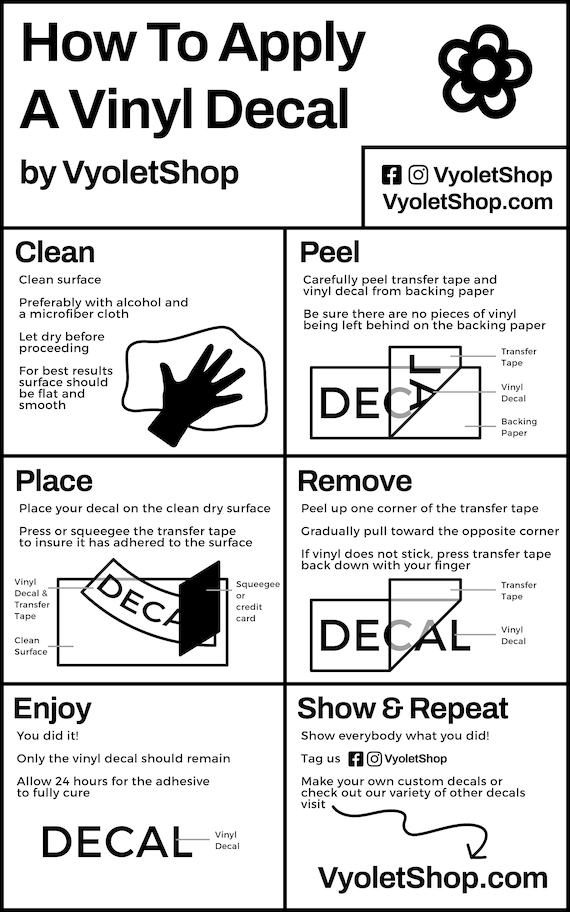
Peel the backing off the decal slowly. Start from one edge to prevent folding or creasing. Press the decal onto the window using a squeegee or credit card.
Work from the center outward to remove air bubbles. Use firm, even pressure for a smooth finish. If bubbles appear, gently lift and reapply that section.
Once fully applied, remove the transfer tape carefully. Peel it back slowly at a sharp angle. Your decal should now be firmly attached and look great.
Curing And Finishing Touches
After applying your custom vinyl decal to the car window, the curing and finishing touches are vital. These steps ensure the decal sticks well and lasts long. Proper curing helps the adhesive bond firmly to the glass. Finishing touches protect the decal from weather and wear.
Allowing Adhesive To Set
Let the decal rest without disturbance for at least 24 hours. This time allows the adhesive to fully bond to the window surface. Avoid washing or touching the decal during this period. The longer you wait, the stronger the hold will be.
Removing Transfer Tape Carefully
Peel the transfer tape slowly at a sharp angle. Pull it back gently to avoid lifting the vinyl. If any part lifts, press it back down and smooth again. Use a plastic card or squeegee to help keep the decal flat while peeling.
Sealing For Durability
Apply a clear, weatherproof sealant over the decal for extra protection. Use a spray or brush-on product made for vinyl. This layer shields the decal from rain, sun, and car washes. Let the sealant dry fully before exposing the car to harsh conditions.
Credit: www.etsy.com
Troubleshooting Common Issues
Applying custom vinyl decals to car windows can bring a personal touch. Small problems may appear during the process. These issues can affect the look and durability of your decal. Fixing common problems quickly keeps your decal looking great. Here are simple tips for troubleshooting.
Fixing Air Bubbles
Air bubbles form when air gets trapped under the vinyl. Use a pin to gently poke the bubble. Press the air out slowly with a credit card or squeegee. Work from the center toward the edges. This helps smooth the surface without tearing the vinyl.
Correcting Misalignment
Misalignment happens if the decal is placed unevenly. Lift the decal carefully from one corner. Slowly reposition it to the correct spot. Use a ruler or tape to guide straight placement. Apply pressure evenly to avoid new bubbles or wrinkles.
Handling Peeling Edges
Peeling edges may occur if the surface was dirty or not dry. Clean the area with rubbing alcohol before applying decals. If edges start peeling, press them back firmly. Use heat from a hairdryer to soften the vinyl for better adhesion. Avoid touching the edges for 24 hours to let it set well.
Tips For Long-lasting Decals
Creating custom vinyl decals for car windows can add personality and style to any vehicle. To keep these decals looking great for a long time, certain care and material choices are essential. Proper steps ensure the decals stay vibrant and firmly attached despite daily wear and weather exposure.
Follow these tips to help your vinyl decals last longer and maintain their quality on your car windows.
Choosing Weather-resistant Materials
Select vinyl made specifically for outdoor use. These materials resist fading and peeling caused by sun and rain. Look for terms like “permanent,” “outdoor,” or “weatherproof” on the label. Using UV-resistant vinyl protects colors from sun damage. Laminate your decals with clear, waterproof film for added durability. This extra layer shields the design from scratches and moisture.
Proper Cleaning Techniques
Clean the window surface before applying decals to remove dirt and oils. Use mild soap and water with a soft cloth to avoid scratches. Avoid harsh chemicals or abrasive tools, which can damage the vinyl. After applying the decal, gently wipe around it with a damp cloth to keep it clean. Regular cleaning prevents buildup that might loosen the decal edges.
Avoiding Damage From Sun And Weather
Park your car in shaded areas to minimize sun exposure. Excessive heat and UV rays can cause vinyl to crack or fade. Cover your car during harsh weather like heavy rain or snow to protect the decal. Avoid high-pressure washing directly on decals, which can peel them off. Gentle care helps maintain the decal’s adhesion and appearance.

Credit: www.amazon.com
Frequently Asked Questions
How To Make Your Own Vinyl Car Decals?
Choose a design and use weather-resistant vinyl. Cut it with a vinyl cutter or craft machine. Weed excess vinyl carefully. Apply transfer tape, then stick the decal on a clean, dry car surface. Smooth out bubbles and remove the transfer tape gently.
What Kind Of Vinyl Is Used For Car Window Decals?
Car window decals use durable, weather-resistant permanent adhesive vinyl. This vinyl withstands outdoor elements and sticks firmly to glass surfaces.
How Do I Make My Own Window Decals?
Choose a design and use weather-resistant vinyl. Cut the design with a craft cutter, weed excess vinyl, and apply transfer tape. Clean the window, then carefully stick the decal onto the surface, smoothing out bubbles for a perfect finish.
What Material Do You Use For Car Window Decals?
We use high-quality, weather-resistant vinyl for car window decals. This material ensures durability and vibrant colors.
Conclusion
Making custom vinyl decals for car windows is simple and fun. Use the right materials and tools for the best results. Careful cutting and application ensure a smooth, lasting finish. Personalize your car with unique designs that show your style.
Practice patience and take your time during each step. Enjoy the satisfaction of creating something special with your own hands. Your car will stand out with a custom vinyl decal made by you.