

Can Vinyl Stickers Go On Cars?
Vinyl stickers are everywhere. You see them on laptops, water bottles, shop windows, and most often, on cars. Many people use them to show their personality, advertise businesses, or simply make their vehicles stand out. But if you’re thinking about putting vinyl stickers on your car, you might wonder: Can they really stick well? Will they damage the paint? How long will they last in sun and rain? Let’s dive deep into the world of vinyl stickers for cars and find out what you need to know before you make your choice.
What Are Vinyl Stickers?
Vinyl stickers are made from a thin, flexible plastic called polyvinyl chloride (PVC). This material is strong, waterproof, and can handle sunlight and heat. Stickers are printed with designs, then cut into shapes or letters. The back has a sticky layer that makes them easy to apply to surfaces.
There are two main types:
- Permanent vinyl — sticks firmly and is hard to remove.
- Removable vinyl — easier to peel off and leaves less residue.
Car stickers are usually made from high-quality vinyl. These are designed to survive weather, washing, and sunlight.
Why Do People Put Vinyl Stickers On Cars?
Car owners love vinyl stickers because they’re easy to use, affordable, and offer endless options. Here are some common reasons:
- Personal expression: Show hobbies, beliefs, or humor.
- Branding: Businesses use stickers for advertising.
- Decoration: Add style, color, or unique touches.
- Protection: Some stickers cover scratches or faded paint.
A survey from 2022 found that about 35% of US drivers have at least one sticker or decal on their vehicle. The trend is growing as designs get more creative and quality improves.
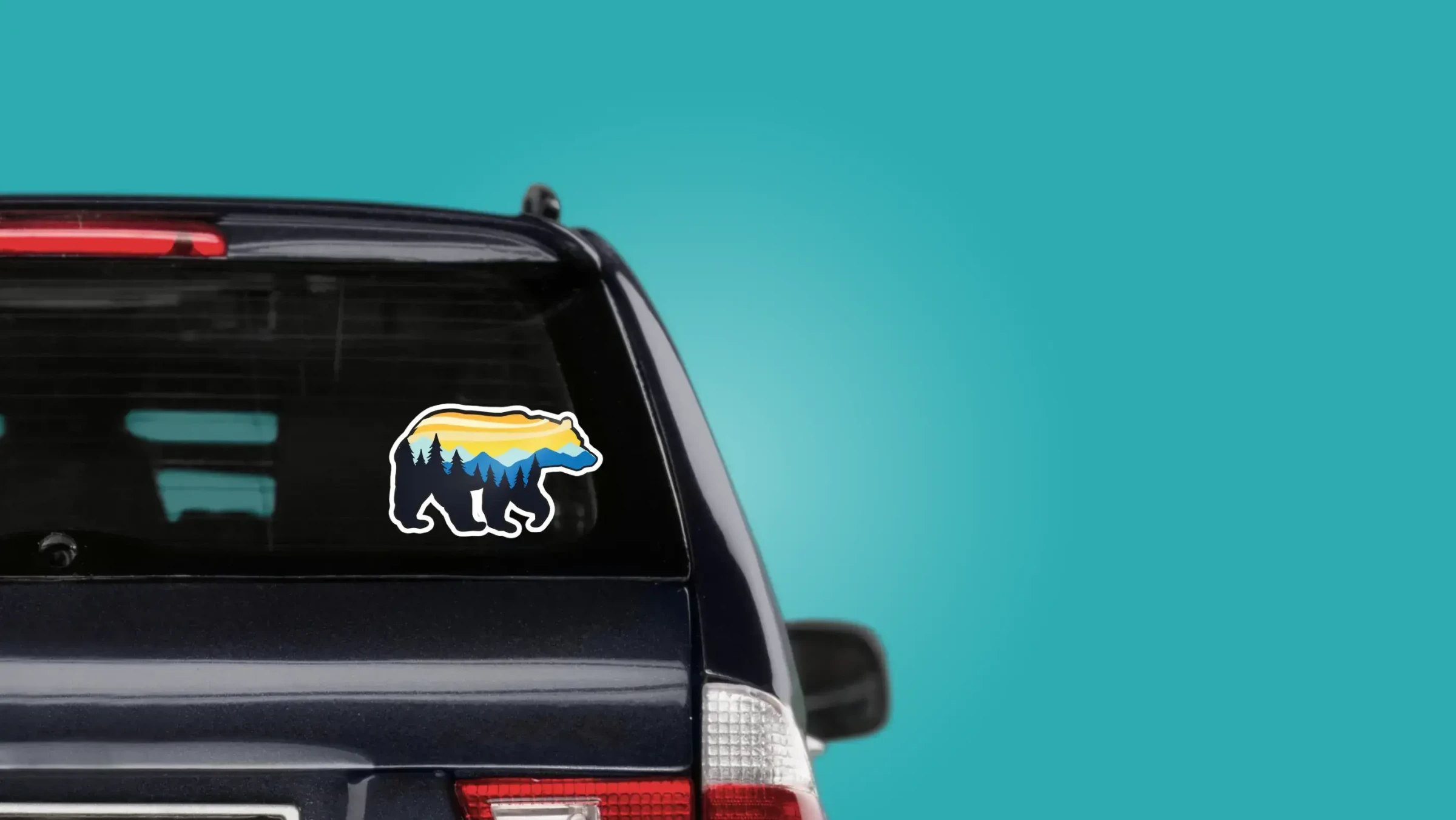
Credit: customstickers.com
Will Vinyl Stickers Stick To Cars Properly?
Vinyl stickers are designed to stick well to smooth surfaces like car paint, glass, and metal. The adhesive is strong enough for outdoor use but gentle enough not to damage paint when applied correctly. Here’s why they work:
- Weather-resistant: High-quality vinyl is made to handle rain, sun, and cold.
- Flexible: The material bends to fit curves and shapes.
- UV protection: Some stickers have extra layers to stop fading from sunlight.
But not all stickers are equal. Cheap stickers may peel, fade, or leave sticky marks.
What Makes A Good Car Vinyl Sticker?
For best results, look for these features:
- Outdoor-rated vinyl: These are tested for sunlight and rain.
- Strong adhesive: Sticks firmly but can be removed with heat.
- Laminated surface: Protects from scratches and UV rays.
- Precision cut: Neat edges, no peeling.
Below is a comparison of sticker types and their features.
| Sticker Type | Durability | Waterproof | UV Resistant | Removability |
|---|---|---|---|---|
| Permanent Vinyl | 5-7 years | Yes | Yes | Low |
| Removable Vinyl | 2-3 years | Yes | Moderate | High |
| Paper Stickers | Months | No | No | High |
How To Apply Vinyl Stickers To Cars
Applying a vinyl sticker is simple, but doing it right helps it last longer and look better. Here’s a practical step-by-step guide:
- Clean the area: Wash with soap and water. Make sure there’s no dust, wax, or grease.
- Dry completely: Water under the sticker can cause bubbles.
- Position the sticker: Hold it up to check placement.
- Peel backing: Remove slowly, keeping the sticker flat.
- Apply: Stick from one edge, pressing out air as you go.
- Smooth out bubbles: Use a card or squeegee.
- Remove transfer tape: If your sticker has it, peel it off gently.
Tip: For large stickers, spray the area with a mix of water and a little soap. This lets you move the sticker before it sticks fully. Once it’s in place, press out the liquid and let it dry.
Common Application Mistakes
Beginners often make these errors:
- Applying to dirty or waxed surfaces
- Not smoothing out bubbles
- Touching the sticky side too much
- Not letting the area dry
Avoiding these mistakes makes your sticker last longer and look professional.
Will Vinyl Stickers Damage Car Paint?
This is a common worry. Good news: high-quality vinyl stickers will not damage your car paint if you follow correct application and removal steps.
- Adhesive is gentle: Designed not to react with car paint.
- No color fading: Stickers block sunlight, sometimes protecting paint.
- Easy removal: Use heat (like a hairdryer) to soften the glue before peeling.
However, if your paint is old, cracked, or peeling, stickers may pull up loose paint. Also, cheap stickers with strong adhesives can leave marks or residue.
Protecting Your Paint
- Choose automotive-grade vinyl
- Avoid applying stickers to rusted or damaged areas
- Remove stickers slowly and with heat
Most modern cars have clear coats that help protect paint from stickers.
How Long Do Vinyl Stickers Last On Cars?
Durability depends on sticker quality, weather, and care. On average:
- Permanent vinyl: 5–7 years
- Removable vinyl: 2–3 years
- Laminated vinyl: Up to 8 years
Sun, rain, snow, and washing can shorten life. Stickers on windows last longer than those on painted metal.
Ways To Make Stickers Last Longer
- Wash by hand: Avoid power washers on stickers.
- Park in shade: Reduces UV damage.
- Choose laminated stickers: Extra protection.
Below is a table showing sticker lifespan by environment.
| Environment | Sticker Lifespan |
|---|---|
| Hot, Sunny | 3-5 years |
| Cold, Snowy | 4-6 years |
| Moderate Weather | 5-7 years |
Credit: customstickers.com
Removing Vinyl Stickers From Cars
When it’s time to remove a sticker, do it carefully to avoid damage. Here’s how:
- Heat the sticker: Use a hairdryer or heat gun for 30–60 seconds.
- Peel slowly: Start at a corner and pull back, not up.
- Clean the area: Use rubbing alcohol or adhesive remover.
Stickers that have been on for years may leave a mark. Polish gently, but avoid harsh chemicals.
What If There Is Residue?
Sticky residue can be removed with:
- Mild adhesive remover
- Rubbing alcohol
- Soap and water
Avoid scraping with metal tools, which can scratch paint.
Legal Considerations For Car Vinyl Stickers
In most places, you can put stickers on your car. But there are rules:
- Don’t block windows: Laws require drivers to see clearly.
- Avoid offensive designs: Some cities ban stickers with hate or rude images.
- Commercial stickers: May need permits if used for business.
According to the National Highway Traffic Safety Administration (NHTSA), window stickers must not block driver view. Always check local laws if you’re unsure.

Credit: www.amazon.com
Types Of Vinyl Stickers For Cars
Many kinds of stickers are made for cars, each with unique uses. Here are the most popular:
- Bumper stickers: Usually rectangular, placed on bumpers.
- Window decals: Transparent or opaque, for glass.
- Lettering: Names, slogans, or numbers.
- Full wraps: Cover large sections, like hoods or doors.
- Custom shapes: Logos, mascots, or artwork.
- Reflective stickers: For safety, visible at night.
- Clear stickers: Only the design shows, no background.
Below is a table comparing sticker types and their best uses.
| Sticker Type | Best Location | Purpose |
|---|---|---|
| Bumper Sticker | Bumper, rear | Personal, funny, political |
| Window Decal | Window, rear glass | Business, club, safety |
| Full Wrap | Door, hood | Branding, art |
| Reflective Sticker | Any visible spot | Safety, visibility |
Custom Vinyl Stickers For Cars
Many people want unique stickers. Custom vinyl stickers let you choose any design, color, or size. Companies offer online tools to upload artwork and pick shapes.
Custom stickers are great for:
- Business branding
- Event promotion
- Personal art or message
- Car clubs
Prices vary by size, color, and quantity. A small custom sticker can cost $3–$10, while large wraps may be hundreds.
Tips For Ordering Custom Stickers
- Pick high-resolution artwork.
- Choose laminated vinyl for longer life.
- Measure your car area before ordering.
Many sites offer previews so you can see how the sticker will look before buying.
Pros And Cons Of Vinyl Stickers On Cars
Let’s weigh the benefits and drawbacks.
Pros:
- Easy to apply and remove
- Huge choice of designs
- Affordable customization
- Protects small scratches
- Safe for most paint
Cons:
- May fade or peel in harsh weather
- Cheap stickers can leave residue
- Not all stickers are legal everywhere
- Can hide rust or damage
Non-obvious tip: Sometimes, stickers on a car can protect paint from sunlight, helping it stay bright. But if you leave a sticker on too long, the area under it may look cleaner than the rest when removed.
Real-life Examples And Data
Car stickers are used worldwide. Here are some real stories and stats:
- Taxi companies use vinyl wraps for branding. A study found that wraps last up to 7 years with daily sun exposure.
- Car clubs often use window decals to show membership.
- Business fleets use stickers for advertising. One company reported a 15% increase in local calls after adding vinyl decals to their cars.
Non-obvious insight: In cold states, stickers last longer because UV rays are weaker. But snow and ice can cause peeling if not installed properly.
Caring For Vinyl Stickers On Cars
Proper care helps stickers last and look sharp.
- Wash gently by hand.
- Avoid scrubbing the sticker area.
- Don’t use strong chemicals or wax on stickers.
- Check for peeling or bubbles and press them down.
If a corner peels, you can re-stick it with gentle heat.
Choosing The Right Vinyl Sticker For Your Car
When picking a sticker, consider:
- Quality: Outdoor-rated, laminated vinyl
- Design: Colors and shapes you like
- Size: Fits your car area
- Adhesive: Removable if you want to change later
Also, check reviews and ratings for the sticker brand.
A good resource for vinyl materials and quality standards is Wikipedia.
Frequently Asked Questions
Are Vinyl Stickers Safe For All Car Surfaces?
Vinyl stickers are safe for clean, smooth paint and glass. Avoid using on rusted, cracked, or freshly painted areas. If your car has a matte or specialty finish, test a small spot first.
Can I Wash My Car With Vinyl Stickers On It?
Yes, you can wash your car with stickers. Hand washing is best. Avoid strong jets from power washers on sticker edges, as they can cause peeling. Don’t use harsh chemicals.
How Do I Remove A Sticker Without Hurting The Paint?
Heat the sticker with a hairdryer for 30–60 seconds, then peel slowly. If sticky residue remains, clean with rubbing alcohol. Never use metal tools or scrape hard.
Will Vinyl Stickers Fade In Sunlight?
High-quality, UV-protected vinyl stickers last longer and fade less. But all stickers will eventually fade if exposed to strong sun for years. Parking in shade helps.
Can I Use Vinyl Stickers For Business Branding On My Car?
Absolutely. Many businesses use car stickers for advertising. Make sure the sticker follows local laws, doesn’t block windows, and uses outdoor-rated vinyl for durability.
Putting vinyl stickers on your car is a fun, affordable way to personalize or promote. With the right sticker and proper care, you can enjoy vibrant designs for years without hurting your paint or breaking the bank. Always choose quality, follow the right steps, and your car will turn heads wherever you drive.