
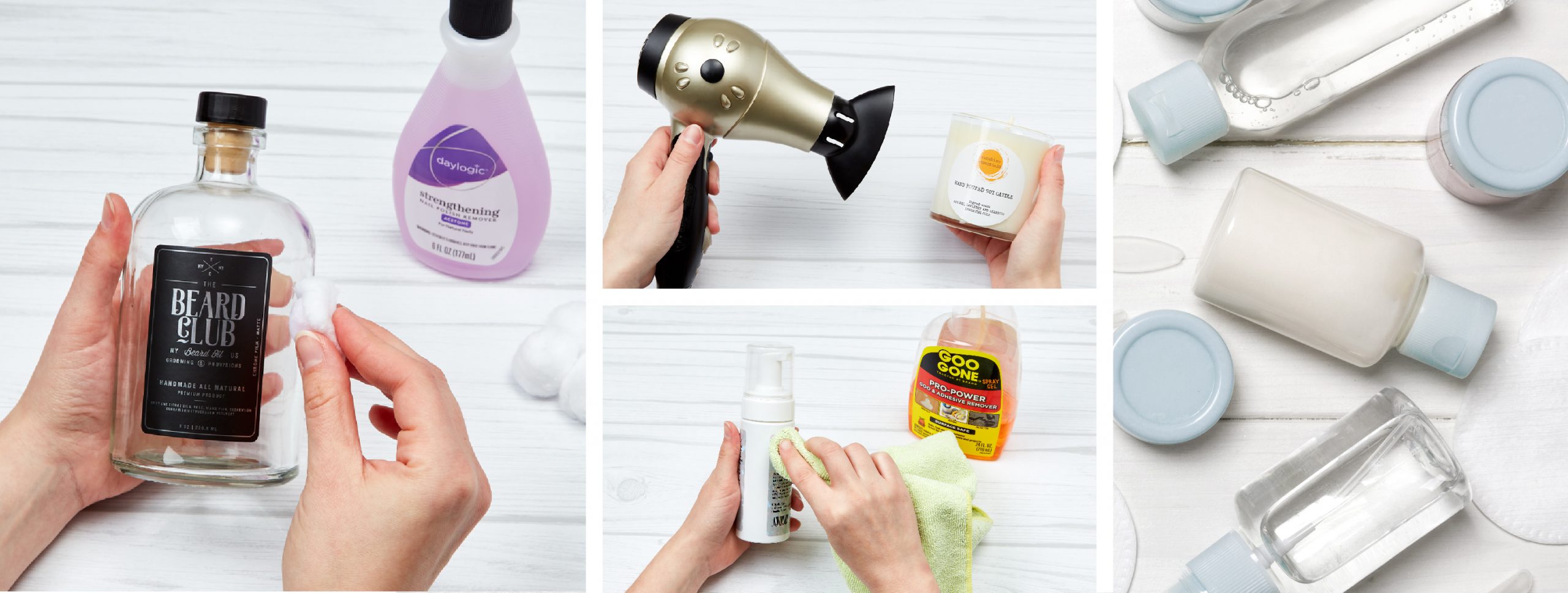
To remove a sticker from plastic, try using warm soapy water or white vinegar to dissolve the adhesive. You can also use rubbing alcohol or vodka by wetting a paper towel or cloth and rubbing the residue off.
Another option is to make a paste with oil and baking soda, apply it to the sticker, and wash it off with dish soap. Additionally, you can use a product like Goo-Gone or Goof Off to remove the residue. Remember to lift one end of the sticker with a knife or razor blade before peeling it off.
Different Types Of Labels And Their Challenges
Labels come in various types and removing stickers from plastic can be a challenge. However, there are effective solutions such as using warm soapy water, white vinegar, or rubbing alcohol to remove sticky residue without causing damage.
understanding The Types Of Stickers Commonly Found On Plastic Surfaces
When it comes to removing stickers from plastic surfaces, it is important to understand the different types of labels that are commonly found. Each type of label presents its own challenges and requires specific techniques to remove effectively. By identifying the type of sticker you are dealing with, you can choose the appropriate method to tackle the task.
identifying The Challenges Associated With Each Type Of Label
Now, let’s delve into the challenges associated with each type of label. By understanding these challenges, you will be better equipped to remove stickers from plastic surfaces without causing any damage. Here are some common types of labels and their specific challenges:
Paper labels
Paper labels are commonly used on plastic surfaces, such as bottles and containers. These labels can pose challenges when trying to remove them due to their adhesive properties. The paper can easily tear or leave behind residue, making it difficult to achieve a clean removal.
Vinyl labels
Vinyl labels are known for their durability and resistance to moisture, making them a popular choice for outdoor use or on items that may come into contact with water. However, their strong adhesive can make them challenging to remove without leaving behind sticky residue.
Adhesive labels
Adhesive labels are commonly found on plastic surfaces such as electronics or appliances. These labels often have a strong adhesive that can bond tightly to the surface, making them stubborn to remove. They may also leave behind sticky residue that requires additional cleaning.
Holographic labels
Holographic labels use a special material that reflects different colors and creates an eye-catching effect. These labels can be tricky to remove due to their unique texture and adhesive properties. The holographic layer can be delicate and may tear easily during removal.
Thermal labels
Thermal labels are commonly used for printing barcodes and price tags on plastic surfaces. These labels are heat-sensitive and often require specialized techniques for removal. Applying heat improperly or using harsh chemicals may damage the plastic surface.
Now that you have a better understanding of the challenges associated with each type of label, you can choose the most suitable method for removing stickers from plastic surfaces. In the following sections, we will explore various effective techniques and solutions to tackle these challenges. Remember, patience and the right approach are key to achieving a clean and residue-free removal.
Credit: www.stickeryou.com
Preparing The Plastic Surface For Sticker Removal
Before you start removing a sticker from plastic, it’s important to properly prepare the surface to ensure maximum effectiveness. By cleaning the plastic surface thoroughly, you’ll create the ideal condition for sticker removal without causing any damage. In this section, we’ll discuss the different methods you can use to clean the plastic surface:
Cleaning The Plastic Surface To Ensure Maximum Effectiveness
1. Using warm soapy water: One of the simplest and safest methods to clean plastic surfaces is using warm soapy water. Start by filling a bucket or sink with warm water and add a small amount of mild dish soap. Stir the mixture to create a soapy solution.
2. White vinegar: Another effective cleaner for removing sticker residue is white vinegar. Mix equal parts of white vinegar and warm water in a spray bottle or bowl. You can use a cloth or sponge to apply the solution to the plastic surface.
3. Nail varnish remover: In some cases, particularly when dealing with stubborn adhesive residue, nail varnish remover can be used. It contains acetone, which helps break down the adhesive. Apply a small amount of nail varnish remover to a cloth and gently rub the residue until it loosens.
Using Warm Soapy Water
Start by filling a bucket or sink with warm water. Add a small amount of mild dish soap to the water and stir to create a soapy solution. Dip a cloth or sponge into the soapy water and wring out any excess liquid. Gently scrub the plastic surface in circular motions, focusing on the area with the sticker residue. Rinse the plastic surface with clean water and dry it thoroughly with a clean towel. This method is gentle yet effective in removing sticker residue without causing any damage to the plastic surface.
Using White Vinegar
Mix equal parts of white vinegar and warm water in a spray bottle or bowl. Wet a cloth or sponge with the vinegar solution and gently apply it to the sticker residue on the plastic surface. Let the solution sit for a few minutes, allowing it to penetrate the adhesive. Then, use the cloth or sponge to scrub the residue in circular motions. Rinse the plastic surface with clean water and dry it thoroughly to remove any remaining residue. The acetic acid in white vinegar helps dissolve the adhesive, making it easier to remove the sticker.
Using Nail Varnish Remover
In some cases, when dealing with stubborn sticker residue, nail varnish remover can be an effective solution. It contains acetone, which acts as a solvent to break down the adhesive. Apply a small amount of nail varnish remover to a cloth and gently rub the residue on the plastic surface. Be cautious not to rub too aggressively, especially on delicate or colored plastics, as acetone can potentially damage the surface. Once the residue has loosened, wipe it away with a clean cloth. Rinse the plastic surface with clean water and dry it thoroughly. Nail varnish remover should be used sparingly and only as a last resort when other methods have failed to remove the residue.
Now that you know how to prepare the plastic surface for sticker removal, you’re ready to move on to the next step: actually removing the sticker. Make sure to choose the method that best suits your needs and consider the type of plastic you’re dealing with to avoid any potential damage. Stay tuned for the next section for step-by-step instructions on safely removing stickers from plastic surfaces!
Easy Techniques For Removing Stickers From Plastic
Easily remove stickers from plastic surfaces using simple techniques. Try warm soapy water, white vinegar, or nail varnish remover to dissolve adhesive. Wipe away residue with a cloth for a clean finish.
If you’ve ever tried to remove a stubborn sticker from plastic, you know how frustrating it can be. The residue left behind can be sticky and unsightly, ruining the appearance of your plastic items. But fear not, there are easy techniques you can use to remove stickers from plastic without scratching the surface. In this blog post, we will explore three simple methods that will help you get rid of those pesky stickers and their residue for good.
Soaking The Plastic In Hot Water To Loosen The Adhesive
One effective method for removing stickers from plastic is by soaking the item in hot water. Fill a basin or sink with hot water, making sure it’s not too hot to handle. Place the plastic item in the water, making sure the sticker is fully submerged. Let it soak for a few minutes, allowing the hot water to loosen the adhesive.
Gently Peeling Off The Sticker From The Edges
Once the adhesive has been loosened, you can start gently peeling off the sticker from the edges. It’s important to be careful and avoid using excessive force, as this may cause the sticker to tear or leave behind residue. Start at one corner and slowly peel back, applying slight pressure until the sticker is completely removed.
Using Adhesive Removers Like Goo Gone Or Un-du For Stubborn Stickers
For stubborn stickers that refuse to come off, you can try using adhesive removers like Goo Gone or Un-du. These products are specifically designed to dissolve sticky residue and make it easier to remove. Simply apply a small amount of the adhesive remover to a cloth or Q-tip and gently rub it onto the sticker. Allow it to sit for a few minutes, then gently peel off the sticker from the edges.
Trying Rubbing Alcohol Or Vodka As Effective Adhesive Solvents
If you don’t have adhesive removers on hand, rubbing alcohol or vodka can be effective solvents for removing stickers from plastic. Wet a paper towel or clean cloth with rubbing alcohol or vodka, then rub the residue to lift it off. The alcohol helps dissolve the adhesive, making it easier to remove. Remember to test a small, inconspicuous area first to ensure it doesn’t cause any damage to the plastic surface.
Removing Sticky Residue From Plastic
To remove sticker residue from plastic, you can try using warm soapy water, white vinegar, or nail varnish remover. Cover the residue and let it sit for a few minutes before wiping it away with a cloth. Rubbing alcohol or vodka can also be effective solvents for lifting off residue.
Applying Rubbing Alcohol Or Vodka To Lift Off The Residue
When it comes to removing sticky residue from plastic, rubbing alcohol or vodka can be your secret weapon. These solvents are safe to use on most plastic, wood, and glass surfaces, making them the perfect option. To start, wet a paper towel or clean cloth with rubbing alcohol or vodka. Then, gently rub the residue to lift it off. The alcohol helps to dissolve the sticky adhesive, making it easier to remove from the plastic surface.
Using A Paper Towel Or Clean Cloth To Wipe Away The Residue
Once you’ve applied rubbing alcohol or vodka to the sticky residue, it’s time to wipe it away. Take a fresh paper towel or clean cloth and gently wipe the area. You’ll notice that the residue starts to come off, revealing a clean and smooth surface. Continue wiping until all traces of the sticky residue are gone. Remember to use a gentle touch to avoid scratching the plastic surface.
Ensuring The Safety Of Plastic, Wood, And Glass Surfaces
It’s essential to prioritize the safety of the surfaces you’re working with when removing sticky residue. Rubbing alcohol and vodka are generally safe for most plastic, wood, and glass surfaces. However, it’s always a good idea to test a small, inconspicuous area first to ensure compatibility. This step ensures that the solvents won’t cause any damage or discoloration to the surface. Take caution and protect the integrity of your plastic, wood, and glass surfaces by using these solvents responsibly.
Tips And Tricks For Complete Sticker Removal
Removing stickers from plastic surfaces can be a challenging task, as they often leave behind stubborn residue. However, with the right tips and tricks, you can easily achieve complete sticker removal without damaging the plastic. In this section, we will explore a simple method using baking soda and water to create a powerful paste that effectively removes sticker residue from plastic.
Making A Paste With Baking Soda And Water To Remove Residue
Baking soda is a versatile household ingredient known for its cleaning properties. To create a paste, simply mix equal parts baking soda and water in a small bowl. The paste should have a smooth consistency, similar to toothpaste.
Applying The Paste To The Sticker Area And Letting It Sit For A Few Minutes
Once you have your baking soda paste ready, apply a thick layer onto the sticker residue area. Ensure that the entire residue is covered with the paste. Let it sit for a few minutes to allow the paste to penetrate the adhesive and loosen the residue.
Gently Scrubbing The Area With A Soft Brush Or Sponge
After the paste has had sufficient time to work its magic, take a soft brush or sponge and gently scrub the sticker area in circular motions. The combination of the baking soda paste and the gentle scrubbing action helps to dislodge the residue from the plastic surface without causing any damage.
Wiping Away The Paste And Residue For A Clean Finish
Once you have thoroughly scrubbed the area, use a clean, damp cloth to wipe away the baking soda paste and residue. Make sure to remove all traces of the paste, ensuring a clean finish.
With these tips and tricks, you can achieve complete sticker removal from plastic surfaces. Remember to test this method on a small, inconspicuous area of the plastic before applying it to the entire surface to ensure compatibility and avoid any potential damage. Say goodbye to stubborn sticker residue and enjoy clean and pristine plastic surfaces once again!
Frequently Asked Questions For Remove Sticker From Plastic
What Removes Sticky Labels From Plastic?
To remove sticky labels from plastic, try using warm soapy water, white vinegar, or nail varnish remover. Apply the solution to the sticky residue and let it sit for a few minutes. Then, wipe the area with a cloth. Rubbing alcohol or vodka can also be effective in lifting the residue off plastic surfaces.
Remember to test the solution on a small, inconspicuous area first to ensure it doesn’t damage the plastic.
What Is The Best Adhesive Remover For Plastic?
The best adhesive remover for plastic is rubbing alcohol or vodka. Wet a paper towel or cloth with rubbing alcohol, then rub the residue to lift it off. Vodka can be used as a substitute. Another method is using warm soapy water, white vinegar, or nail varnish remover.
Allow the solution to soak into the adhesive and then wipe the area with a cloth.
Does Wd-40 Remove Stickers From Plastic?
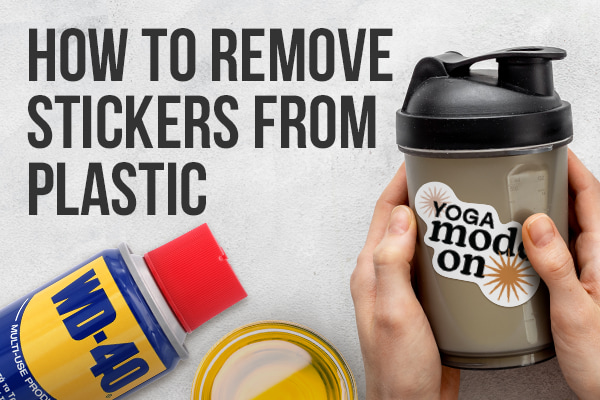
Yes, WD-40 can remove stickers from plastic without scratching. Apply WD-40 to the sticker, let it sit for a few minutes, then gently rub the sticker off with a cloth.
What Removes Sticker Residue?
Rubbing alcohol is one of the best ways to remove sticker residue from plastic. Soak a paper towel or rag in rubbing alcohol, then lay it over the residue for several minutes. Afterward, wipe the area with a cloth. Another option is to mix oil and baking soda to create a paste, then wash it off with dish soap.
Conclusion
Removing stickers from plastic can be a frustrating task, but with the right techniques, it can be done effectively. Whether it’s using warm soapy water, white vinegar, or rubbing alcohol, there are various ways to tackle sticky residue on plastic surfaces.
Remember to let the solution soak into the adhesive before wiping it away. Additionally, using oil and baking soda to make a paste can also yield positive results. So, next time you’re faced with a stubborn sticker on plastic, try these methods and say goodbye to sticky residues.